The Institute’s video library is a growing resource of recorded lectures, videos designed for the classroom, collections features and exhibition tours, ranging from just a few minutes to over an hour. Browse by category or use the search bar below to look for a specific topic or speaker across our website.
To learn about our most recent videos as soon as we post them, subscribe to our YouTube channel.
Year in Revolution
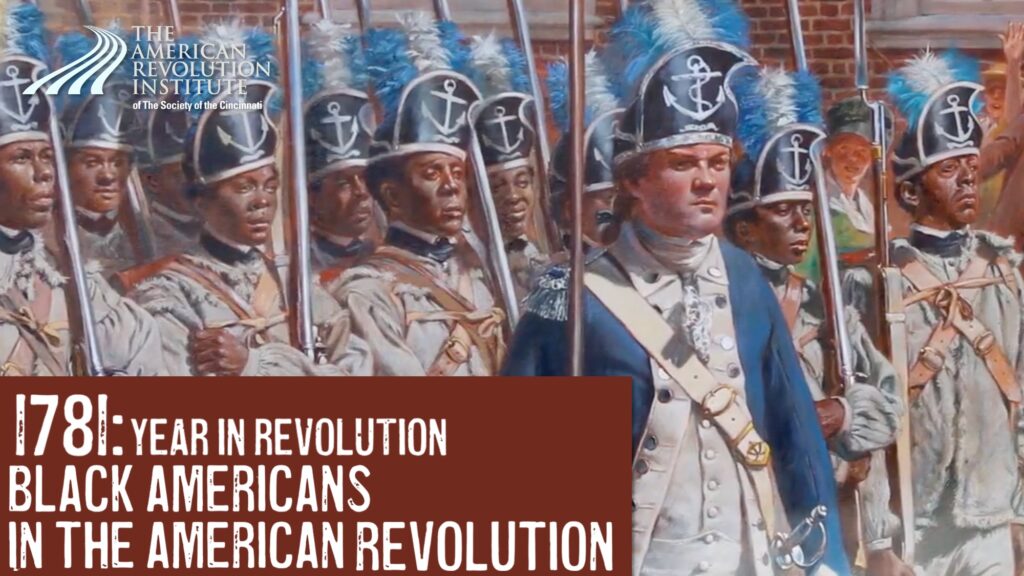
Year in Revolution—1781: Black Americans in the American Revolution
Share to Google Classroom
The Year in Revolution: 1781 Black Americans in the American Revolution video explains how over 5,000 Black Americans shaped the Revolutionary War as both free and enslaved laborers, soldiers and sailors, and spies…
Year in Revolution—1783: Overview
Share to Google Classroom
The Year in Revolution: 1783 Overview video chronicles events of the final year of the war, including: the Provisional Articles of Peace and the Treaty of Paris, the Newburgh Conspiracy, the establishment of the…
Year in Revolution—1783: Newburgh, New York
Share to Google Classroom
The Year in Revolution: 1783 Newburgh, New York video takes place in Newburgh, New York. With no formal articles of peace in place by March 1783, Continental officers could not yet formally disband. They…
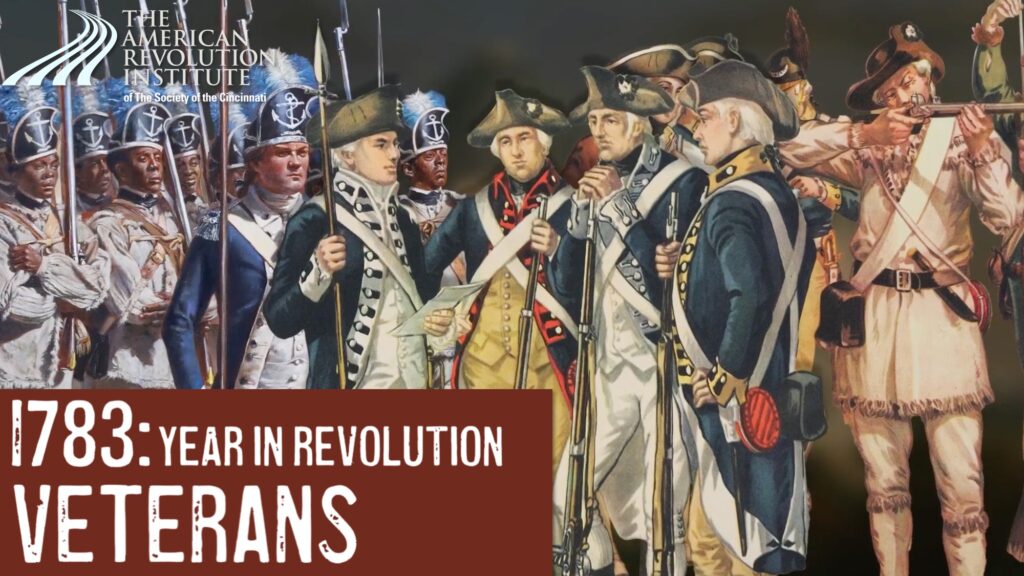
Year in Revolution—1783: Veterans
Share to Google Classroom
The Year in Revolution: 1783 Veterans video examines America’s first veterans. Over a quarter of a million Americans served in the armed forces that won our independence—80,000-90,000 in the…
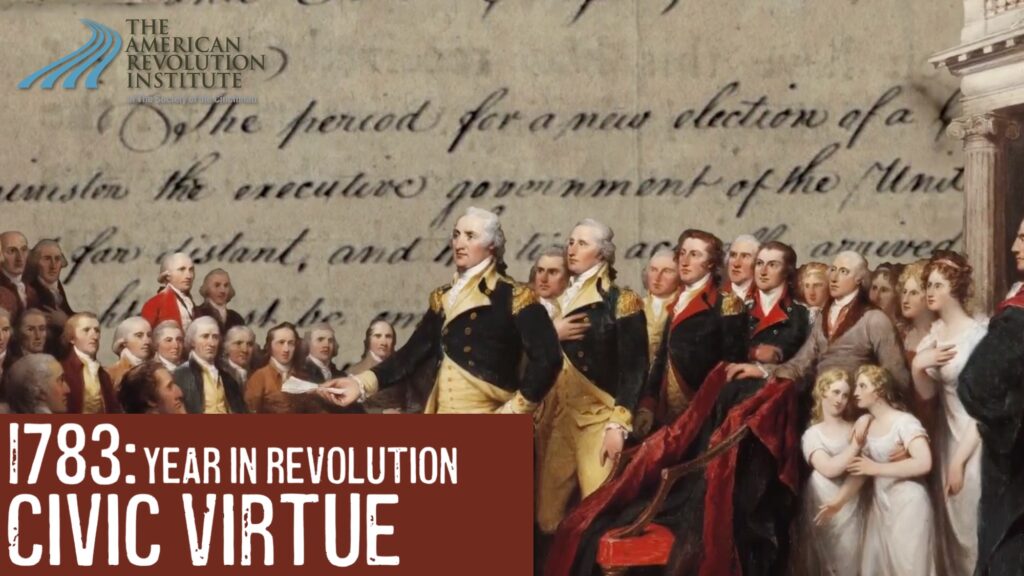
Year in Revolution—1783: Civic Virtue
Share to Google Classroom
Our Year in Revolution: 1783 Civic Virtue video explores how and why 18th century Americans studied the democracies of classical Greece and Rome and celebrated the ancient Roman hero Lucius Quinctius Cincinnatus as an…
Lectures, Author's Talks & Panels
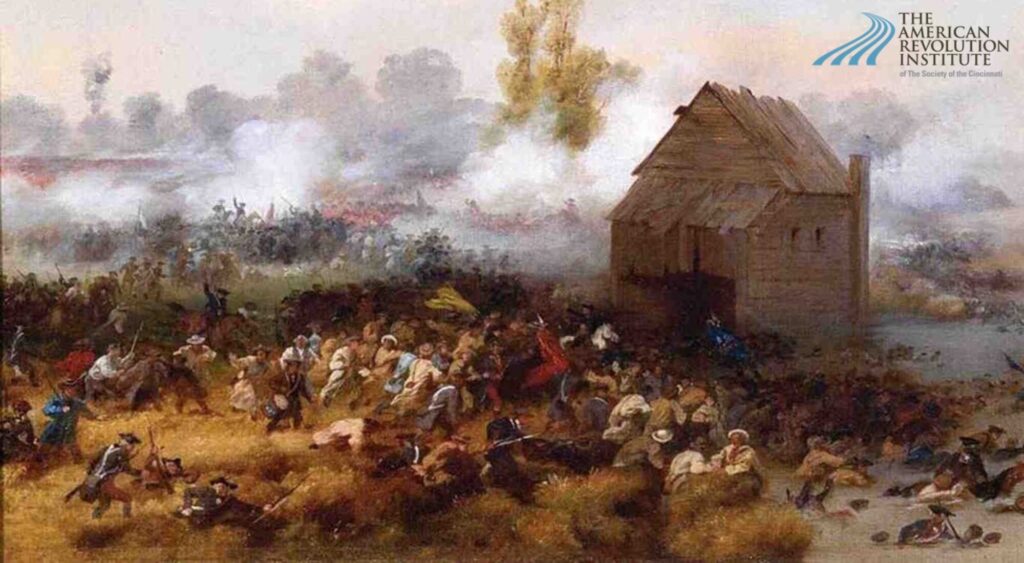
Washington’s Immortals: The Maryland 400 and the Battle of Long Island
Award-winning author and historian Patrick K. O’Donnell commemorates the 250th anniversary of the Battle of Long Island that occurred on August 27, 1776. Gen. George Washington found his troops outmanned and outmaneuvered at the Battle of Long Island…
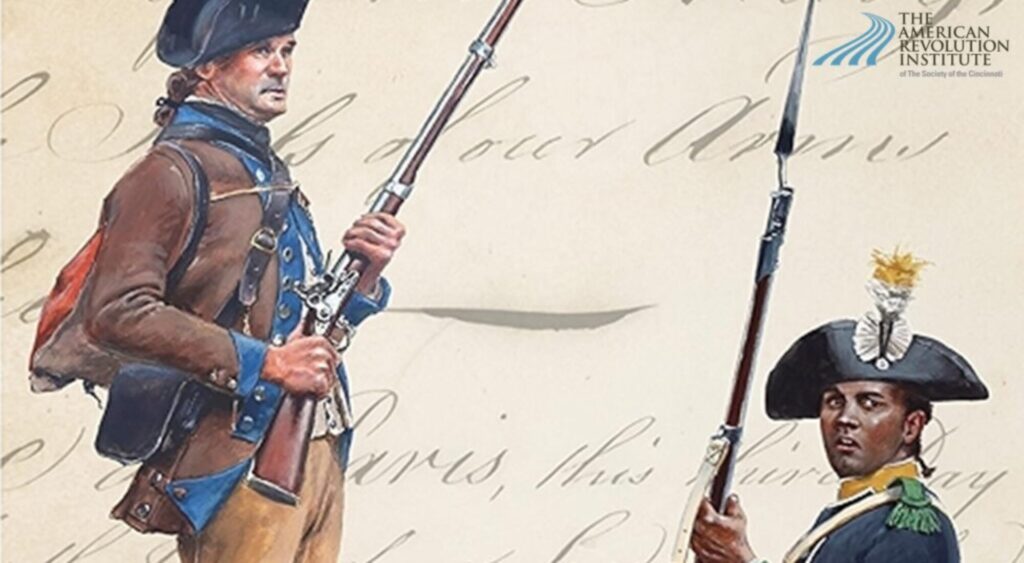
Entangled Alliances: The Soldiers of Saint-Domingue During the American Revolution
Historian Ronald A. Johnson, Ph.D., of Baylor University brings to light the fascinating story of American patriots and rebels from Saint-Domingue (later Haiti) allying against European tyranny. While modern understandings of freedom are often linked to the U…
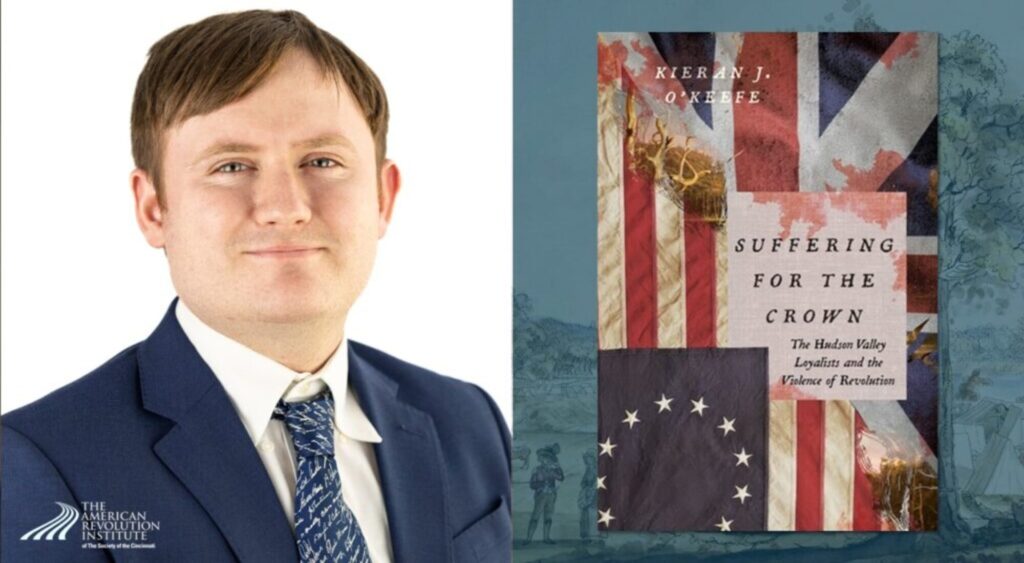
Suffering for the Crown: The Hudson Valley Loyalists and the Violence of Revolution
Kieran O’Keefe of Lyon College discusses his new book that focuses our attention on Loyalists living in New York’s Hudson Valley during the Revolution, an epicenter where neighbor fought neighbor, brother fought brother, and fathers fought sons. Through…
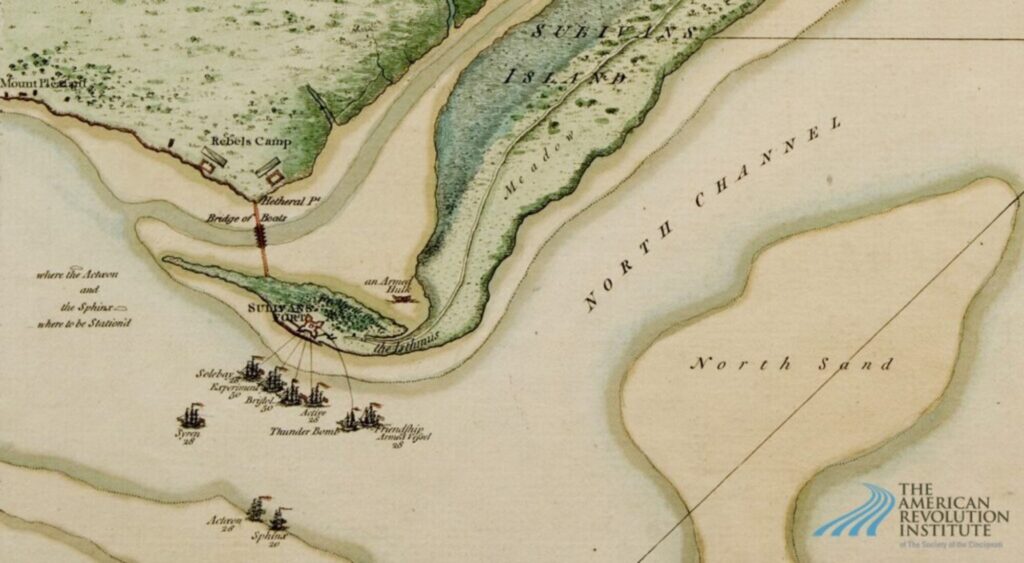
Palmetto Parapets: The Battle of Sullivan’s Island, June 28, 1776
Independent historian Chip Bragg commemorates the 250th anniversary of the Battle of Sullivan’s Island, where Maj. Gen. William Moultrie commanded a valiant defense of an unfinished log fort against a determined British naval attack at the entrance of Charleston…
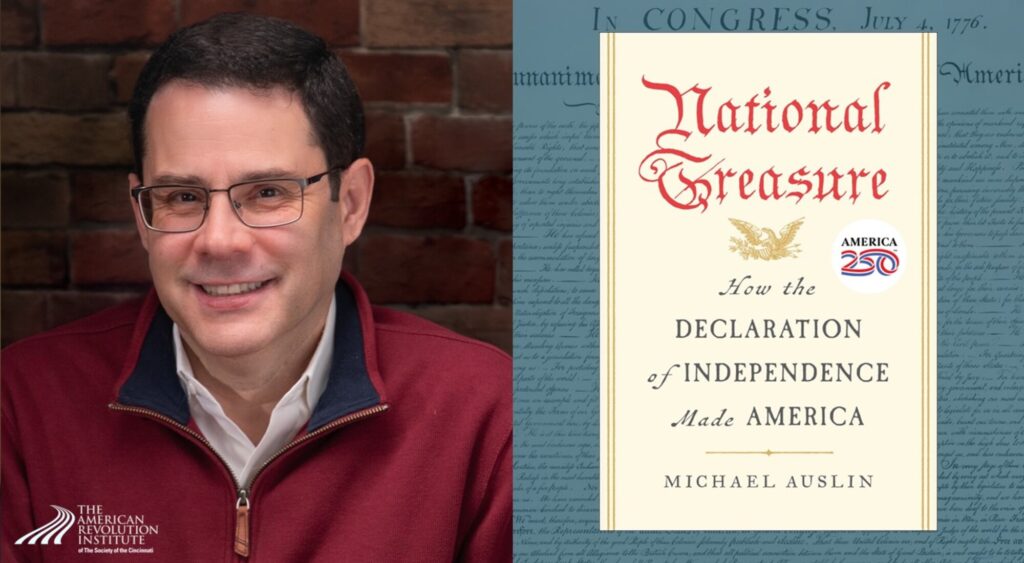
National Treasure: How the Declaration of Independence Made America
Award-winning historian Michael Auslin discusses his new book that demonstrates how Thomas Jefferson’s words in the Declaration of Independence have inspired implausibly varied causes, from suffragists and civil rights leaders to groups waging war on the United States…
Lunch Bite Object Talks
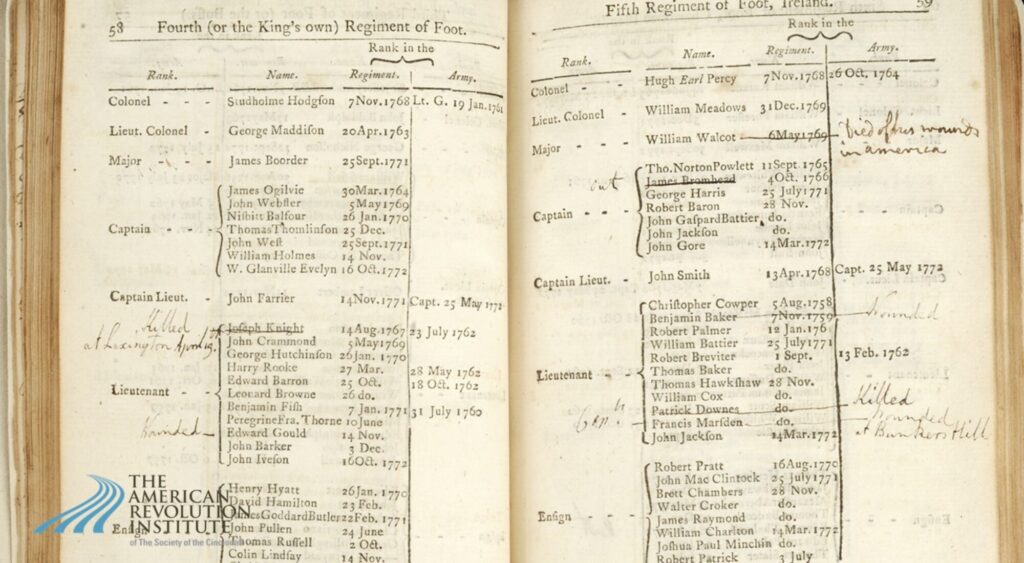
A 1773 British Army List and the Battle of Bunker Hill
The Institute’s historical programs manager, Andrew Outten, discusses a 1773 register of British Army officers, annotated with casualties suffered during the first battles of the Revolution—most notably at the Battle of Bunker Hill.
Beginning in 1740, the British…
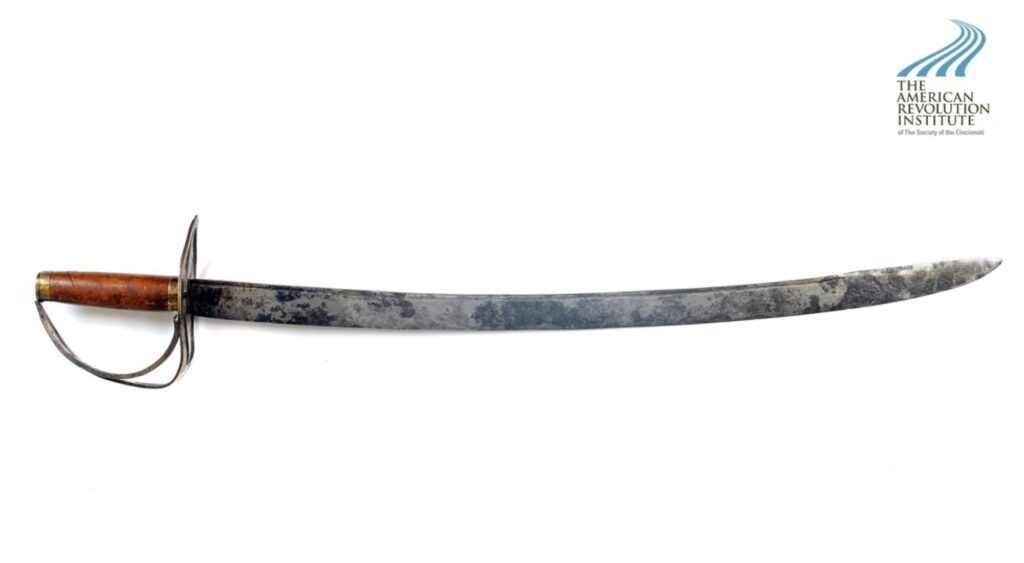
A Minute Man’s Hanger Sword and the Battles of Lexington and Concord
To commemorate the 250th anniversary of the beginning of the American Revolution, the Institute’s deputy director and curator, Emily Parsons, discusses an American-made hanger sword carried during the early months of the Revolutionary War by James Taylor, a…
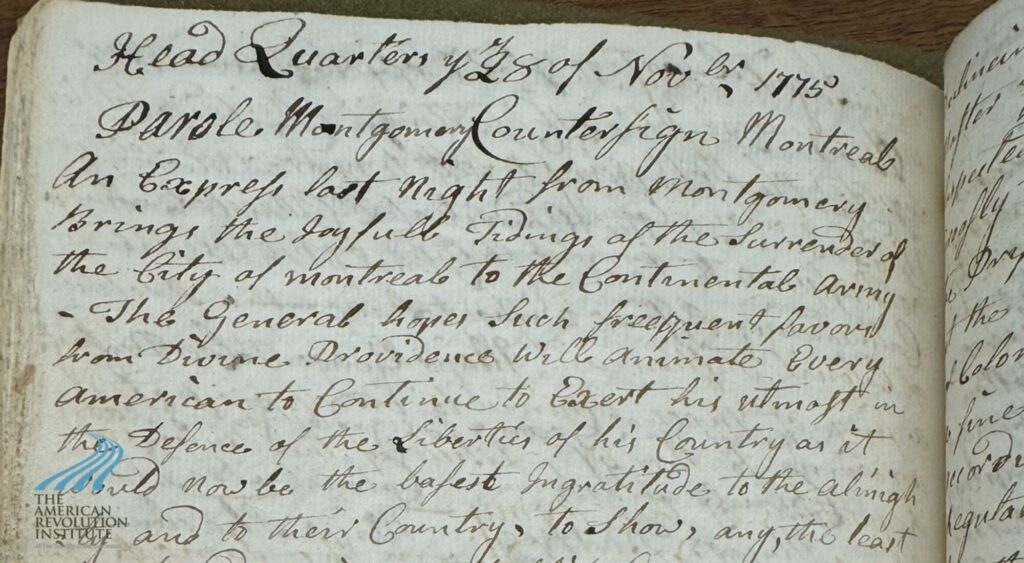
The 1775 Orderly Book of a Massachusetts Officer
The Institute’s library director, Thomas Lannon, discusses the orderly book of Edmund Bancroft. Initially a non-commissioned officer in Col. William Prescott’s Regiment from May-December 1775, Edmund Bancroft was likely a participant at the Battle of Bunker…
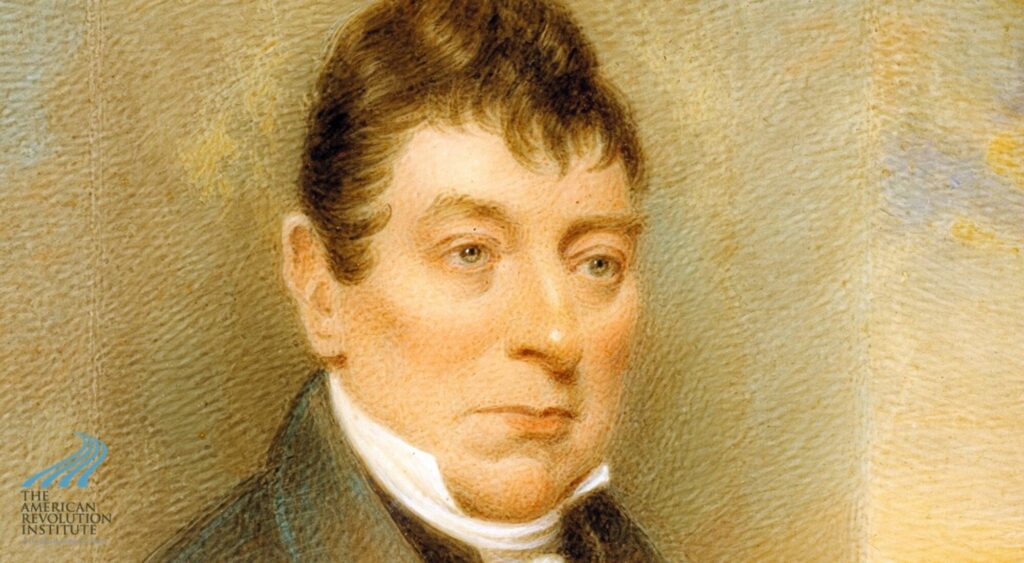
A Portrait Miniature of the Marquis de Lafayette Painted During the Farewell Tour
The marquis de Lafayette’s farewell tour of the United States produced a staggering number of images of the general, from original oil portraits commissioned by government entities and wealthy individuals to prints mass produced for sale at public events…
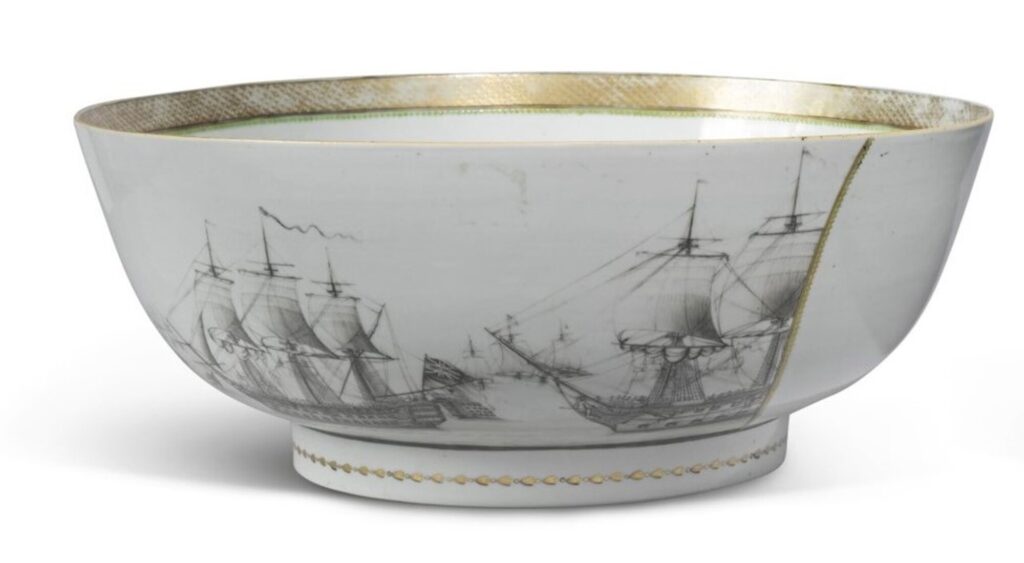
A 1780s Chinese Porcelain Punch Bowl Depicting the Battle of the Saintes
The Institute’s museum collections and operations manager, Paul Newman, for a Lunch Bite object talk highlighting a recent acquisition for our museum collections: a Chinese porcelain punch bowl depicting the Battle of the Saintes. Produced around 1783, the punch…
Conversations and Lectures for the Classroom
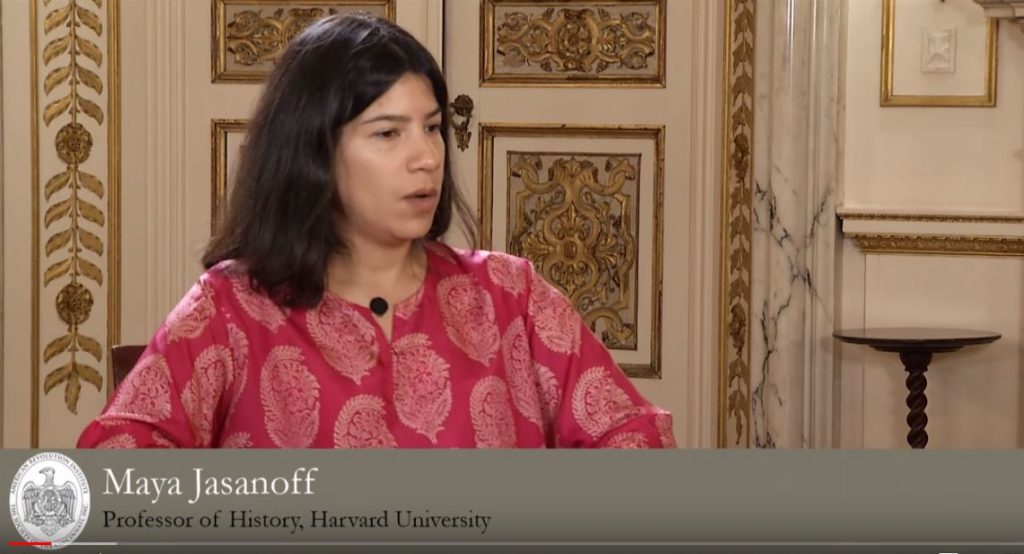
Global Migration of American Loyalists
At the end of the American Revolution, sixty thousand Americans loyal to the British cause fled the United States and became refugees throughout the British Empire. Loyalists traveled to Canada, sailed for Britain, and journeyed to the Bahamas and the…
Oneida and Six Nations
The Oneida nation was the only one of the Iroquois Confederacy to ally with the Americans during the Revolutionary War. Congress formally honored the Oneida in 1794 for their service to the American cause, yet over time the Oneida sacrifice…
Benedict Arnold
American general Benedict Arnold secretly conspired with the enemy to surrender West Point and George Washington. Disaster for the Americans was thwarted only when Arnold’s co-conspirator, John André, was captured with plans of the West Point fortifications in…
A Well-Regulated Militia: History of the Second Amendment
Professor Cornell delves into the complicated history and interpretation of the Second Amendment to the U.S. Constitution. He argues that the amendment neither guarantees the right to own guns nor simply protects the rights of states to maintain militias…
An Empire Divided: Revolution and the British Caribbean
There were twenty-six colonies, not thirteen, in British America in 1776, and the majority of the colonies outside the mainland were in the Caribbean. Even though they shared many important similarities and connections with the mainland colonies, they did…
Collections Corner
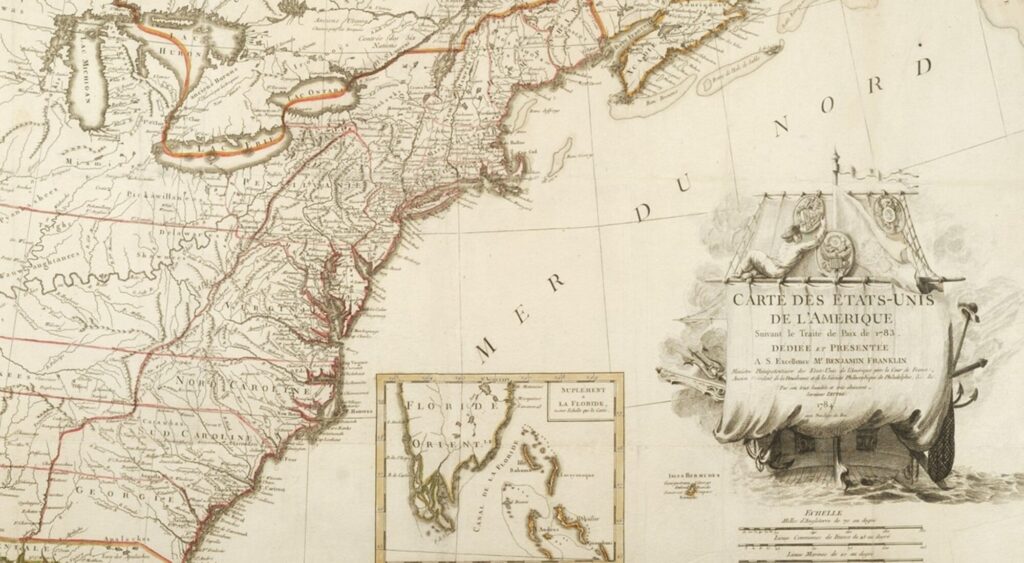
The First French Map of the United States
In this segment of Collections Corner, the Institute’s research services librarian, Rachel Nellis, highlights a rare map from our Robert Charles Lawrence Fergusson Collection, Carte des Etats-Unis de l’Amerique suivant le Traité de Paix de 1783, engraved…
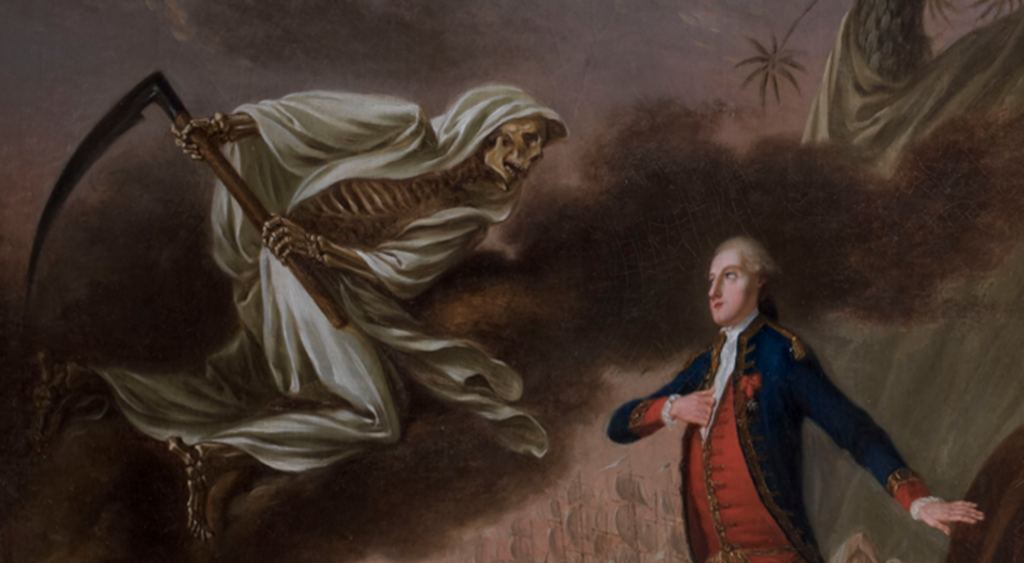
An Allegorical Portrait of a French Naval Officer
Deputy Director and Curator Emily Parsons discusses an allegorical portrait from our museum collections. Completed in 1783 by Parisian artist Nicolas René Jollain, the painting depicts Thomas François Lenormand de Victot, a fallen French naval officer from the Revolutionary…
The Patriot’s Monitor
It’s back to school season! To celebrate, this month’s Collections Corner features the Institute’s director of education, Stacia Smith, discussing The Patriot’s Monitor, an 1810 American primer written by Rev. Ignatius Thomson of Pomfret, Vermont. As…
French Military Treatises of the Eighteenth Century
Coping with the sunset that followed Louis XIV’s death, battered by a string of costly military defeats, and influenced by the intellectual currents of the Enlightenment, the French army was primed for reform in the mid-eighteenth century. Scholar…
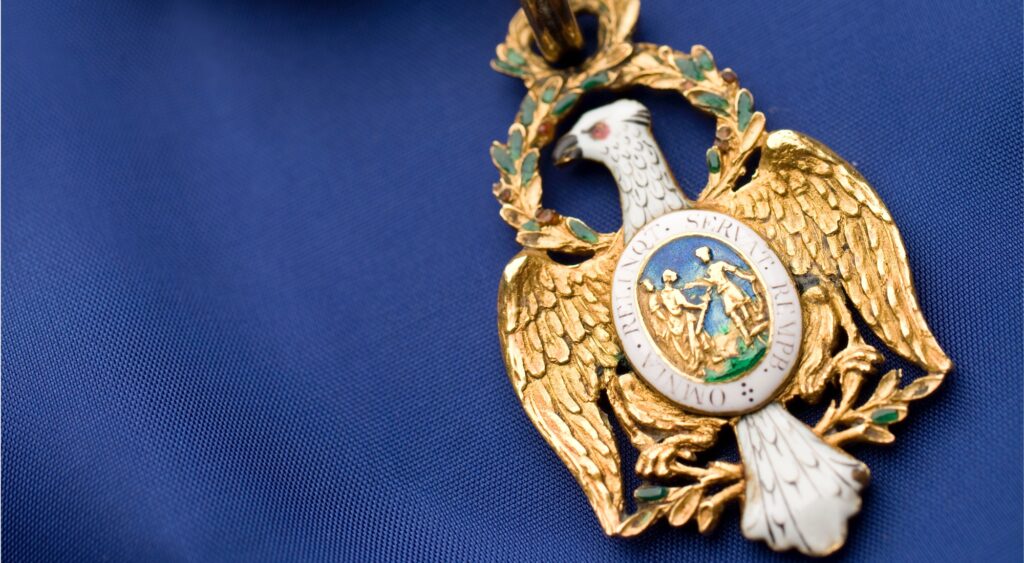
Early French Eagle Insignias of the Society of the Cincinnati
The Society of the Cincinnati’s Eagle insignia has been the most recognizable symbol of the organization and its members for more than two hundred years. Designed in 1783 by Pierre-Charles L’Enfant, the double-sided gold insignia bears…
Exhibition Videos
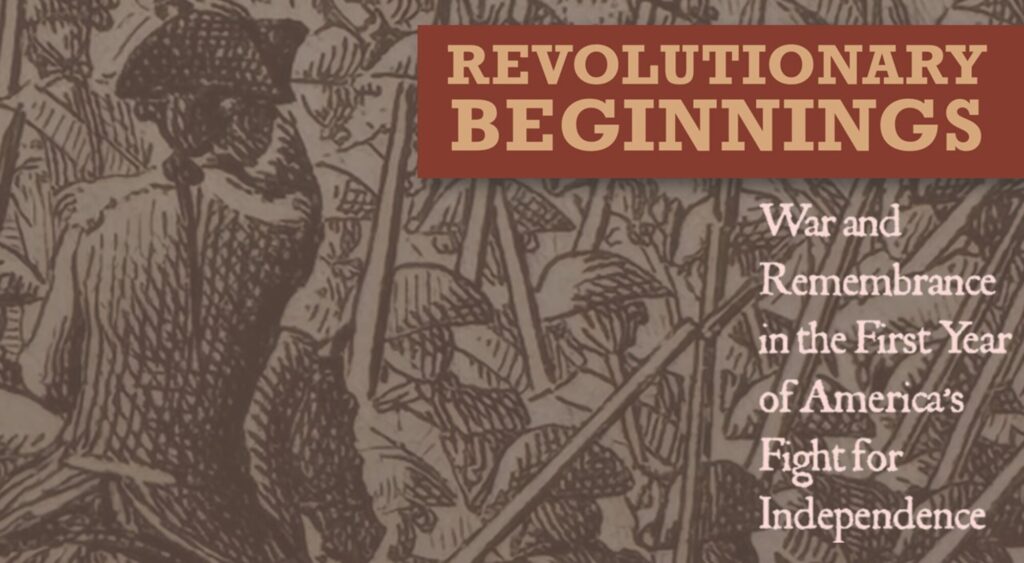
Revolutionary Beginnings: War and Remembrance in the First Year of America’s Fight for Independence
Explore our exhibition, Revolutionary Beginnings: War and Remembrance in the First Year of America’s Fight for Independence, in this short video. Drawn principally from the Institute’s library and museum collections, Revolutionary Beginnings, explores three critical early battles of…
Fete Lafayette: A French Hero’s Tour of the American Republic
On the eve of the fiftieth anniversary of the American Revolution, the marquis de Lafayette embarked on a tour of the United States, returning for a final time to the country he helped established and whose republican form of government…
Affairs of State: 118 Years of Diplomacy and Entertaining at Anderson House
Diplomacy and entertaining have always gone hand in hand in the nation’s capital. Anderson House, headquarters of the Society of the Cincinnati, has played a historic role in that story during the twentieth and twenty-first centuries—but one…

Saving Soldiers: Medical Practice in the Revolutionary War
Explore our exhibition Saving Soldiers: Medical Practice in the Revolutionary War in this short video tour featuring a few highlight objects. Drawn principally from the Institute’s collections of rare books, manuscripts, portraits and artifacts, Saving Soldiers examined medical practice…