Video Category: Lectures, Author's Talks & Panels

Underwriters of the United States: How Insurance Shaped the American Founding

Underwriters of the United States: How Insurance Shaped the American Founding

Hannah Farber
January 13, 2022

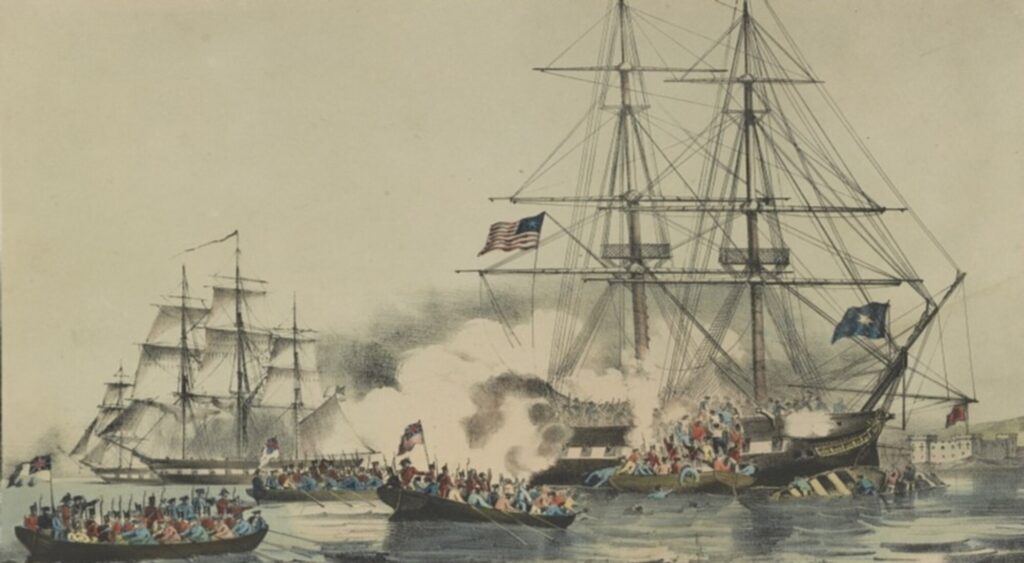
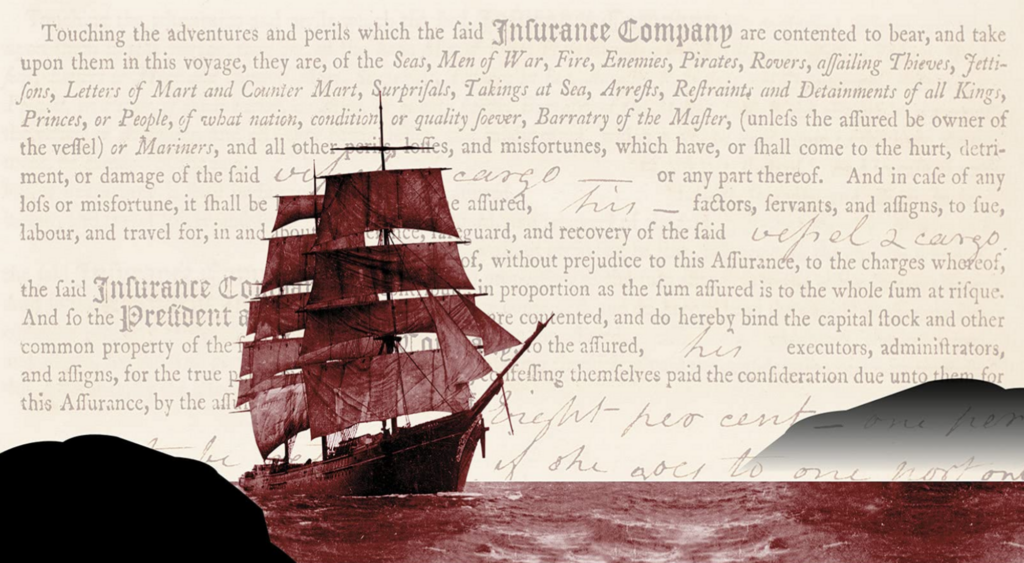
Unassuming but formidable, American maritime insurers used their position at the pinnacle of global trade to shape the new nation. As Hannah Farber demonstrates in her new book Underwriters of the United States: How Insurance Shaped the American Founding, the international information insurers gathered and the capital they generated enabled them to play central roles in state […]

Surviving the Winters: Housing Washington’s Army during the American Revolution

Surviving the Winters: Housing Washington’s Army during the American Revolution

Steven Elliott
December 2, 2021

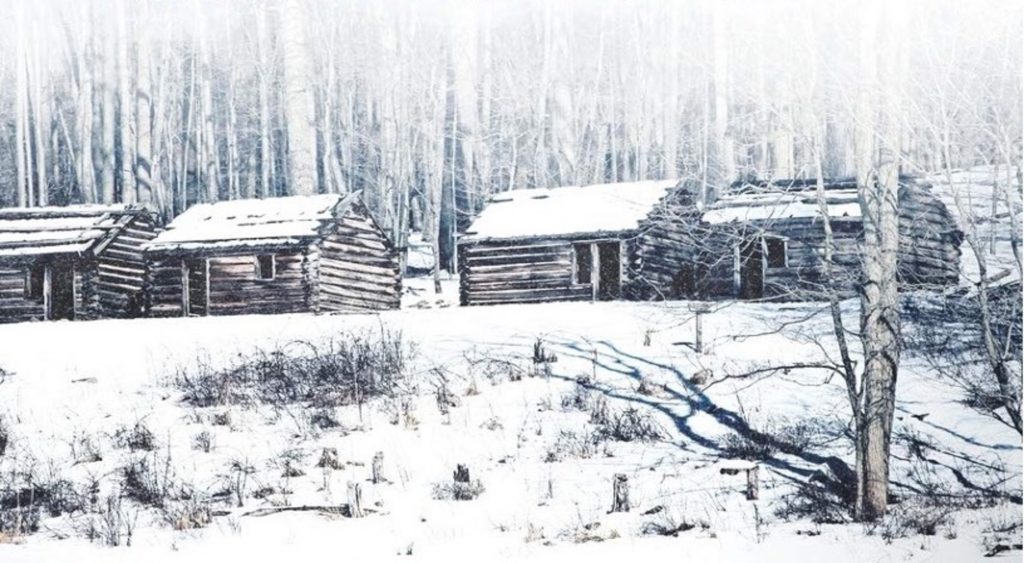
George Washington and his Continental Army braving the frigid winter at Valley Forge forms an iconic image in the popular history of the American Revolution. Such winter camps were also a critical factor in waging and winning the War of Independence. Exploring the inner workings of the Continental Army through the prism of its encampments, Surviving […]

George Washington, the Society of the Cincinnati, and the Origins of American Neutrality

George Washington, the Society of the Cincinnati, and the Origins of American Neutrality

Sandra Moats
November 16, 2021

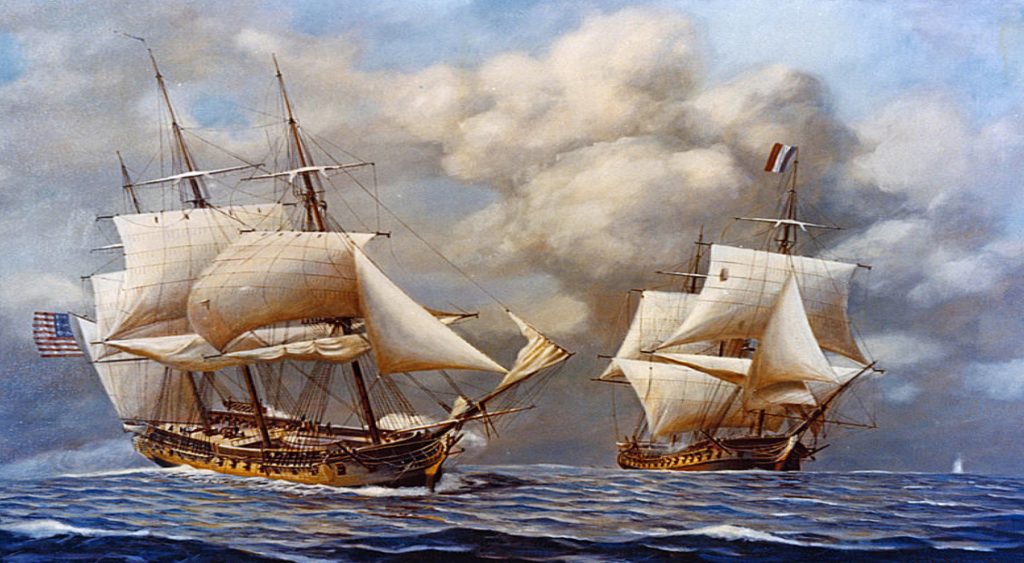
George Washington and his cabinet issued the Neutrality Proclamation in 1793 to shield the United States from European warfare. This proclamation owed its existence to numerous sources, including Washington’s military experiences and European diplomatic precedents. A lesser known, but highly influential, inspiration came from the Society of the Cincinnati, whose French members had served alongside […]

The British Are Coming: The War for America Begins

The British Are Coming: The War for America Begins

Rick Atkinson
October 22, 2021

Who can doubt that the creation story of our founding in the American Revolution remains valid, vivid and thrilling? Even in 2021, at a moment when national unity is elusive, when our partisan rancor seems ever more toxic, when the simple concept of truth is assailed, that story informs who we are, where we came […]

Religion and the American Revolution: An Imperial History

Religion and the American Revolution: An Imperial History

Katherine Carté
September 14, 2021

For most of the eighteenth century, British Protestantism was driven neither by the primacy of denominations nor by fundamental discord between them. Instead, it thrived as part of a complex transatlantic system that bound religious institutions to imperial politics. As Dr. Carté argues, British imperial Protestantism proved remarkably effective in advancing both the interests of […]

The Regulator Rebellion in Pre-Revolutionary North Carolina

The Regulator Rebellion in Pre-Revolutionary North Carolina

Marjoleine Kars
August 24, 2021

Years before shots rang out at Lexington and Concord, backcountry settlers in the North Carolina Piedmont launched their own defiant bid for economic independence and political liberty. The Regulator Rebellion of 1766-1771 arose from the conflict created by competing ideologies and goals between the religious outlook of evangelical Protestants and mainstream Anglicans; between the aspirations […]

Espionage and Enslavement in the Revolution

Espionage and Enslavement in the Revolution

Claire Bellerjeau and Tiffany Yecke Brooks
August 5, 2021

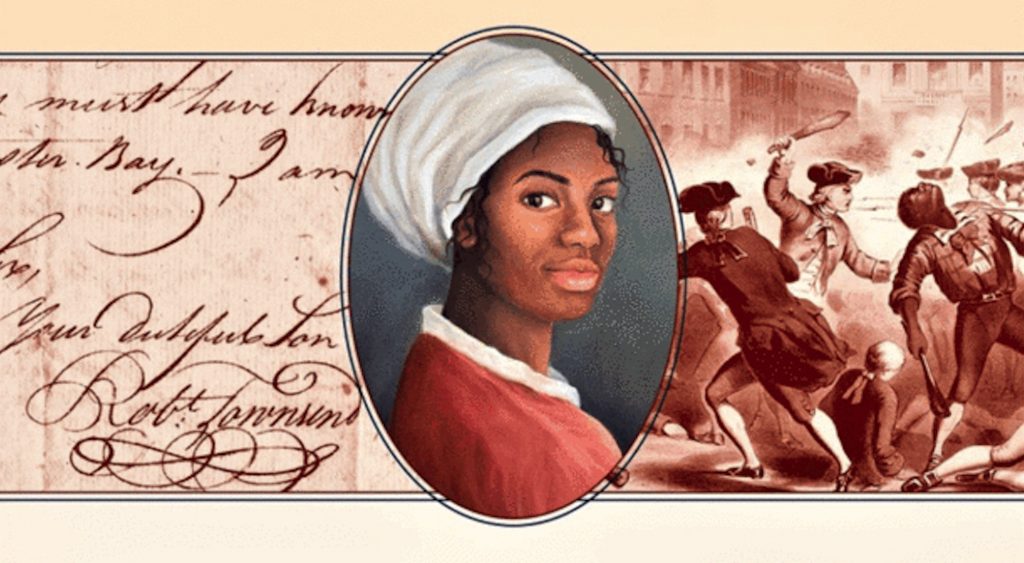
In January 1785, a young African American woman named Elizabeth was put on board the Lucretia in New York Harbor, bound for Charleston, where she would be sold to her fifth master in just twenty-two years. Leaving behind a small child she had little hope of ever seeing again, Elizabeth was faced with the stark […]

French Memoirs from the War for American Independence

French Memoirs from the War for American Independence

Ellen Clark, Normand Desmarais, Robert Selig and Andrew Woelflein
July 12, 2021

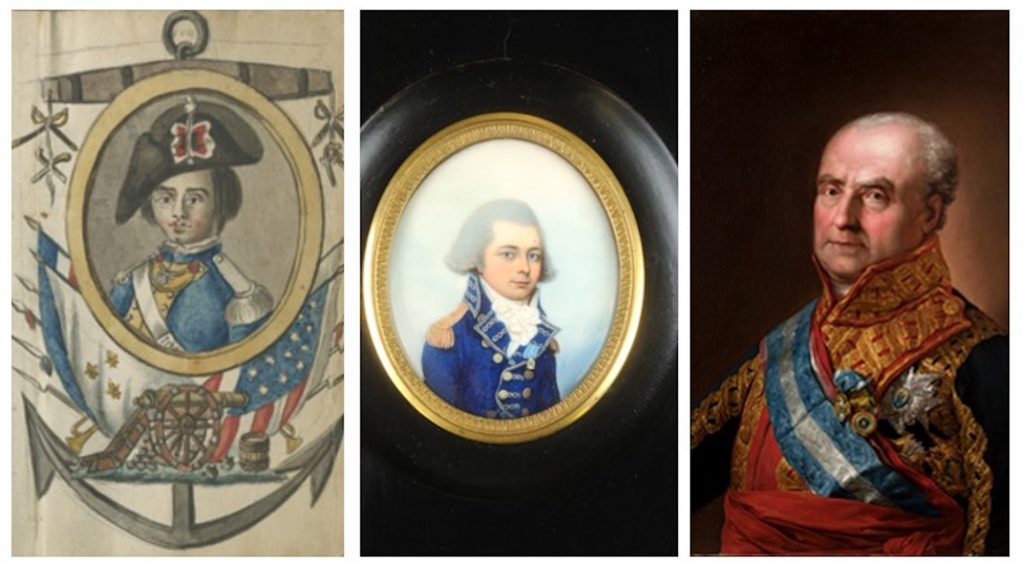
The American Revolution marked the beginning of an age of democratic revolutions that swept over France and challenged the old order throughout the Atlantic world. The French officers who served in the American War of Independence, whether as idealistic volunteers or resolute soldiers of their king, remembered the experience for the rest of their lives. […]

The Battle of Saratoga and “the Compleat Victory”

The Battle of Saratoga and “the Compleat Victory”

Kevin Weddle
May 6, 2021

Following the successful expulsion of American forces from Canada in 1776, the British forces were determined to end the rebellion and devised what they believed a war-winning strategy. They were to send General John Burgoyne south to rout the Americans and take Albany. When British forces captured Fort Ticonderoga with unexpected ease in July of […]

George Washington and the District of Columbia

George Washington and the District of Columbia

Robert Watson
April 19, 2021

The first president is remembered for leading the Continental Army to victory, presiding over the Constitutional Convention and forging a new nation, but less well known is the story of his involvement in the establishment of a capital city and how it nearly tore the United States apart. In this video Robert P. Watson, professor of […]

The Future of the American Revolution

The Future of the American Revolution

Jack D. Warren, Jr.
February 23, 2021

What is the place of the American Revolution in the future we are making? In this lecture presented in the North Carolina Museum of History’s American Revolution Lecture Series (sponsored by the North Carolina Society of the Cincinnati), the executive director of the American Revolution Institute argues that the American Revolution is properly understood as […]

America’s First Veterans

America’s First Veterans

Jack D. Warren, Jr.
January 13, 2021

Executive Director Jack Warren discusses America’s First Veterans, a book published by the American Revolution Institute of the Society of the Cincinnati. Using eighty-five manuscripts, rare books, prints, broadsides, paintings and other artifacts, America’s First Veterans introduces the stories of the men—and some women—who bore arms in the Revolutionary War. The book follows their fate in […]

1774: The Long Year of Revolution

Mary Beth Norton
March 5, 2020

Mary Beth Norton discusses her book, 1774: The Long Year of Revolution, analyzing the revolutionary change that took place between December 1773 and April 1775—from the Boston Tea Party to the Battles of Lexington and Concord. In those months, Britain’s American colonists were finally and irrevocably alienated from the British government by a series of […]

Prisoners of War in the American Revolution

T. Cole Jones
February 27, 2020

Prisoners of war presented an enormous challenge for patriot forces during the American Revolution. Patriots captured more than seventeen thousand enemy soldiers during the war. At times the prisoners in American hands outnumbered the Continental Army. At the outset of the war, Americans treated British prisoners in accordance with the conventions of eighteenth-century warfare, but […]

American Veterans through Two Centuries

A Panel Discussion
November 11, 2019

For Veterans Day 2019, the Institute presented an examination of the experiences of American veterans from the Revolutionary generation to our own time. Held in conjunction with our exhibition America’s First Veterans, the program opened with remarks from Secretary of Veterans Affairs Robert Wilkie, followed by a panel discussion moderated by Executive Director Jack Warren. Video […]

The American Revolution and the French Military Enlightenment

Christy Pichichero
October 10, 2019

Christy Pichichero illustrates how the French Enlightenment philosophies of foreign officers in the American Revolution informed their perspective of American customs. Selecting the marquis de Chastellux and the comte de Rochambeau—whose memoirs are a part of the Institute’s rich archival collections—among her examples, Dr. Pichichero labels these men “military philosophers” who brought Enlightenment philosophy to […]

Nathanael Greene’s Last Campaign

John Buchanan
May 30, 2019

John Buchanan discusses his book about the dramatic conclusion of the American Revolution in the South led by Major General Nathanael Greene. Greene’s Southern Campaign was the most difficult of the war. Insufficient manpower a constant problem, Greene attempted to incorporate black regiments into his army, a plan angrily rejected by the South Carolina legislature. […]

The Revolutionary Life of Daniel Morgan

Albert Zambone
May 6, 2019

Daniel Morgan, one of America’s greatest battlefield commanders, arose from humble beginnings. Following a fight with his father, Morgan left home as an illiterate teenage laborer. Through ambition, determination and a great deal of luck, he became a landowner, congressman and Revolutionary War general. This lecture uncovers Morgan’s tumultuous life and recounts his leadership in […]

Rebels on the Pennsylvania Frontier

Patrick Spero
December 13, 2018

Patrick Spero examines the overlooked conflict between the Black Boys of Pennsylvania, Native American forces and the British Empire prior to the American Revolution. As the Stamp Act riled eastern seaports, frontiersmen clashed with the British Empire over another issue: Indian relations. When British officials launched a risky diplomatic expedition into Pennsylvania’s Allegheny frontier to […]

Battlefield Burial during the Revolutionary War

Robert Selig
October 30, 2018

Although battlefield burial is seldom covered by modern historians, following almost any military engagement, corpses needed to be buried. Who was responsible for disposing of these corpses? How can we tell who buried whom? Were officers and other ranks buried together or separate? Historian Robert Selig answers these and related questions about burying the dead […]

The American Revolution on the Spanish Borderlands

Kathleen DuVal
October 26, 2018

Kathleen DuVal illuminates the American Revolution on the Spanish borderlands—recounting clashes between the Spanish and British forces over the territory along the Gulf of Mexico. The capture of Mobile and the Siege of Pensacola were critical to the outcome of the Revolutionary War, the future of the American South and the lives of the people […]

Colonel Jeremiah Lee of Marblehead

Colonel Jeremiah Lee of Marblehead

Robert Booth
October 3, 2018

Colonel Jeremiah Lee was a fabulously wealthy colonial merchant who turned against the British Empire and became a leader of the rebel movement in Massachusetts. Historian Robert Booth brings this outspoken revolutionary to life as part of the 250th anniversary celebration of Lee’s achievements, hosted by the Massachusetts Society of the Cincinnati and the Marblehead […]

Historians on Hamilton the Musical

A Panel Discussion
August 2, 2018

Four scholars who contributed to Historians on Hamilton: How a Blockbuster Musical is Restaging America’s Past dissect the musical’s phenomenon and what it means for our understanding of America’s past. Hamilton, Lin-Manuel Miranda’s Tony-winning musical, has become so popular that it is being used to teach U.S. history in classrooms across the country. But just how historically accurate is this Broadway […]

A Fratricidal Affair of Honor: Reactions to the Burr-Hamilton Duel

Cordell Lee Bragg
June 7, 2018

The Hamilton-Burr duel has become one of the most infamous altercations in U.S. history.  Officers in the Revolutionary War and original members of the Society of the Cincinnati—Alexander Hamilton and Aaron Burr squared off in Weehawken, New Jersey, in the hours of the early morning on July 11, 1804. Although Hamilton led the Society as […]

Washington’s Farewell Address

Washington’s Farewell Address

John Avalon
May 11, 2018

George Washington’s Farewell Address is an essential document for the Republic. Its message, a “warning from a parting friend,” remains starkly relevant to a modern audience. By the end of his second term, President Washington was viciously attacked in the press and alarmed by intense partisan bitterness. Determined to avoid the mistakes that had doomed […]

Andrew Pickens: War Hero and Founder

Rod Andrew
January 23, 2018

Andrew Pickens (1739–1817) was the hero of many American Revolution victories against British and Loyalist forces. Rod Andrew vividly depicts the hard-fighting South Carolina militia commander founding churches, acquiring slaves, struggling over Indian territorial boundaries on the southern frontier and joining the patriot cause. Combining insights from military and social history, Andrew argues that while […]

Was the American Revolution Inevitable?

Robert Allison
October 27, 2017

“Was the American Revolution inevitable?” is a complex question posed by Robert Allison in the 2017 George Rogers Clark Lecture. The achievement of independence hinged upon the cooperation of colonists from diverse backgrounds to unite in a common cause. The people in British North America had profound differences—religious, social, political and economic—that surfaced in local […]

The Social Community of the Continental Army

Rachel Engl
October 24, 2017

Rachel Engl charts social community—the ways individuals initiated and maintained casual and intimate relationships—in the Continental Army. Over the course of the Revolutionary War, tens of thousands of men served in the Continental Army, many of whom formed strong friendships while fighting. Personal connections sustained men within the Continental Army and opened new opportunities for some […]

The Execution of Isaac Hayne, South Carolinian

Cordell Lee Bragg
March 7, 2017

Col. Isaac Hayne was hung for treason on August 4, 1781, in Charleston, South Carolina, by the British army. The death of a patriot for the cause of liberty was not a unique occurrence, but the unusually well-documented events surrounding the execution of Hayne and the involvement of his friends and family make his story […]

The British Empire and the Causes of the American Revolution

Andrew O'Shaughnessy
October 28, 2016

Andrew O’Shaughnessy argues that the drive to centralize control over its growing empire led Britain to adopt authoritarian policies to govern its American colonies and was one of the main causes of the American Revolution. Britain’s North American colonists resisted and ultimately rebelled to avoid the fate of Irish, a people denied the rights enjoyed […]

The Road to Concord: How Four Stolen Cannon Ignited the Revolutionary War

J. L. Bell
August 31, 2016

The Road to Concord: How Four Stolen Cannon Ignited the Revolutionary War unfolds a vignette from the beginning of the American Revolution. In the early spring of 1775, British army spies located four brass cannon belonging to Boston’s colonial militia that had gone missing months before. British general Thomas Gage devised plans to regain the […]

American Prisoners in the Revolutionary South

Carl Borick
April 19, 2016

American prisoners in the revolutionary South held captive by the British forces were a logistical and financial burden that contributed to their failure in the South. During the Siege of Charleston in 1780, British forces under General Sir Henry Clinton and Admiral Mariot Arbuthnot captured nearly six thousand American troops, the largest number of prisoners […]

How Revolutionary Americans Imagined George Washington

Wendy Wick Reaves
February 23, 2016

Prints of an imagined George Washington circulated around the country in the late eighteenth century as Americans yearned for images of their new leaders. At the start of the Revolutionary War, almost any fictitious image could pass as a portrait of an American hero. George Washington, as commander-in-chief, warranted extra efforts and American printmakers searched […]

Archaeology at Parker’s Revenge

Meg Watters
December 9, 2015

Parker’s Revenge, the scene of intense fighting between the retreating British and militia on April 19, 1775, is the site of recent archaeological discoveries. Because contemporary documents reveal little about this fight, an archaeological survey was needed to reveal clues left behind in the soil. Meg Watters and her team, using ground penetrating radar and […]

American Loyalists in the Revolutionary World

Maya Jasanoff
October 23, 2015

Global migration of American Loyalists following the Revolutionary War is a topic easily overlooked by scholars and educators as they trace the path of the victorious Patriot forces. However, at the end of the American Revolution, sixty thousand Americans loyal to the British cause fled the United States and became refugees throughout the British Empire, […]

The March to Yorktown

Robert Selig
July 16, 2015

The epic march to Yorktown undertaken by the French and patriot forces was the largest troop movement in the Revolutionary War. From 1781-1782 French forces marched under the command of the comte de Rochambeau to and from Yorktown, alongside their American allies led by George Washington, as they traveled from Newport, Rhode Island, and West […]

Youth and Military Service in the Revolutionary War

Youth and Military Service in the Revolutionary War

John Ruddiman
May 8, 2015

The experience of young soldiers in the Revolutionary War was shaped by their drive to achieve personal independence and autonomy. The war offered an entire generation of young men unusual opportunities for social advancement, honor and distinction, but diverted those who served from the established path through young adulthood. John Ruddiman focuses on soldiers as […]

The American Revolution in the Caribbean

Andrew O'Shaughnessy
December 4, 2014

In British America in 1776, there were twenty-six, not thirteen colonies—the majority of the colonies outside the mainland were in the Caribbean. Even though they shared many important similarities and connections with the mainland colonies, they did not rebel. Andrew O’Shaughnessy argues that the economic and political differences in the British colonies in the Caribbean […]

George Washington and the Newburgh Conspiracy

James Kirby Martin
October 24, 2014

In March of 1783, the Newburgh Conspiracy threatened to derail the fragile calm at the end of the Revolutionary War. The rumors of peace after Yorktown brought anxiety to soldiers in the Continental Army. The Continental Congress had not paid them for some time, and they would soon return home, many impoverished. The soldiers had […]

Naval Warfare in the Spring of 1778

Dennis Conrad
September 24, 2014

Dennis Conrad recounts the significant alterations the Continental Navy underwent during the American Revolution in the spring of 1778. Naval warfare in the Revolutionary War took place in the Atlantic and beyond—stretching as far away as the Mediterranean Sea and the Indian Ocean. The internationalization of naval conflicts and an increase in the number and […]

Bunker Hill: A City, A Siege, A Revolution

Bunker Hill: A City, A Siege, A Revolution

Nathaniel Philbrick
May 20, 2014

Nathaniel Philbrick brings a fresh perspective to the Battle of Bunker Hill. The real central character in this battle is Boston—where vigilantes fill the streets with a sinister and frightening violence, even as calmer patriots struggle to see their way to rebellion. The core of Philbrick’s lecture, building on his book Bunker Hill: A City, a […]

Revolutionary War Heroes in the Art of the U.S. Capitol

Farar Elliott
November 15, 2013

The Revolutionary War portraits that adorn the U.S. Capitol serve a purpose beyond artistic decoration. In the early nineteenth century, Americans searched for icons to unite them as a new nation, particularly ones that evoked civic virtue. The only symbols that the fractured and growing nation could agree on were Revolutionary War heroes. Learn how […]

Women in the American Revolution

Carol Berkin
October 25, 2013

The American Revolution was a home-front war that brought scarcity, bloodshed and danger into the life of every American, women included. While men left to fight, women shouldered greater responsibility as they maintained their farms alone and tried to prevent confiscation of property. Patriot women maintained boycotts of imported goods, joined the army disguised as […]

The Boston Tea Party

Benjamin Carp
October 24, 2013

In addition to objecting to taxation without representation, Bostonians protested the Tea Act of 1773 in part because it forced them to pay a tax on top of the monopoly prices set by the East India Company. They also opposed supporting the sons of the royally appointed governor who would benefit from the tax revenue. […]

The Greatness of George Washington

The Greatness of George Washington

Gordon Wood
May 10, 2013

Gordon Wood examines the virtues of George Washington that aided the Chief Commander of the Continental Army and first President of the United States to shape the young country. Wood highlights Washington’s concerns with his reputation—citing his letters to friends and fellow statesmen. Washington’s disinterest in power and awareness of his legacy shaped his moral […]

From George Washington’s Crossing to Victory in Princeton

From George Washington’s Crossing to Victory in Princeton

David Hackett Fischer
May 10, 2013

In summer of 1776, George Washington suffered many crushing defeats and lost 90 percent of the army under his command. British and Hessian forces had recovered much of  New York, New Jersey and Rhode Island. By late November, thousands of Americans took an oath of allegiance to George III. Leaders on both sides believed that […]

The Political Path to Revolution and War, 1760-1776

The Political Path to Revolution and War, 1760-1776

Gordon Wood and Steven Pincus
May 9, 2013

Why did the British government pass the Stamp Act, the Townshend Duties, the Tea Act and the Intolerable Acts? Why did they pass a series of measures seemingly calculated to offend and provoke North American colonists? These measures cannot be fully understood without taking into account a profound political economic debate taking place across the […]

The Coming of the Revolution in Massachusetts

The Coming of the Revolution in Massachusetts

Robert Allison
January 15, 2013

Did events in the Massachusetts colony make the American Revolution inevitable? The people of Massachusetts had more power over their own government than anyone else in the British empire. As the British crown raised taxes on American goods and soldiers arrived to enforce new polices, the independent minded colonists in Massachusetts became embittered and resentful. Rising tensions […]

The American Revolution in the South

Walter Edgar
October 26, 2012

The American Revolution in the South is neglected in many accounts of the period, Walter Edgar explains, but it involved some of the most vicious battles and intense partisan struggles of the entire war. The British failed in their first attempt to suppress the American Revolution in the South when a Royal Navy flotilla was […]

The People Debate the Constitution

Pauline Maier
October 11, 2011

The ratification of the Constitution is usually treated as an afterthought. There are dozens of books about the Federal Convention, and history textbooks conventionally deal with debates in the convention, but few studies deal with the critical process through which the Constitution was ratified by the states in a succession of state conventions. Ratification, as […]